PSRC recently completed a Workforce Recovery Planning Project to provide actionable regional labor market information on in-demand industries and occupations as well as related training programs to a broad array of stakeholders.
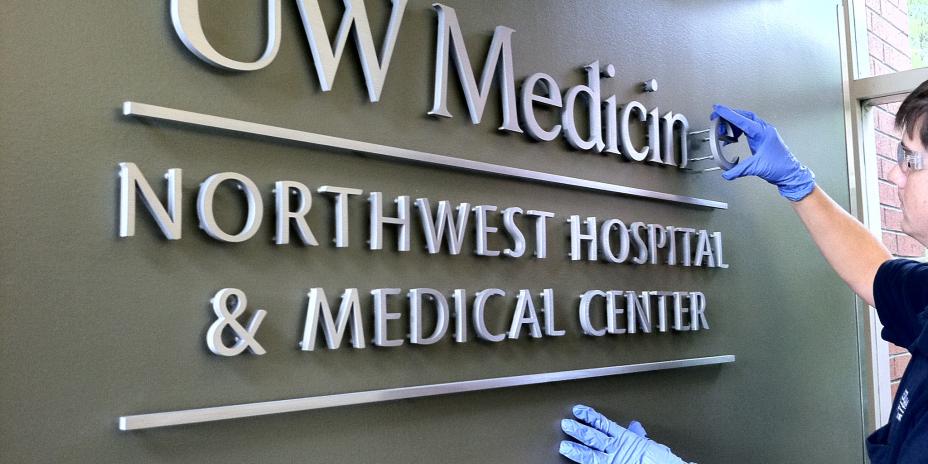
The region’s health care industry was another area identified as showing a high demand for workers over the next decade, offering growing career opportunities with strong wages for workers, even those with only an associate degree or high school diploma.
Stress related to the COVID-19 pandemic as well as an aging population contributed to the need for more healthcare workers in the region. Additionally, some healthcare workers are closer to retirement than hospitals and other health centers had anticipated, leading to a shortage of those workers.
Occupations within the health care industry that offer the strongest opportunities are registered nurses; medical assistants; and substance abuse, behavioral disorder, and mental health counselors. A detailed profile was developed for each occupation that highlights the job outlook, expected work schedule, skills and licenses required, salary information, general job tasks, education and training required, as well as local opportunities for training. These profiles were designed to inform job seekers about these opportunities and provide detailed information on how to pursue them.
Opportunity occupations in the growing health care industry:
- Registered Nurses: assess patient health problems and needs, develop and implement nursing care plans, and maintain medical records. They administer nursing care to ill, injured, convalescent, or patients with disabilities. Registered Nurses also advise patients on health maintenance and disease prevention or provide case management. Licensing or registration is required to become a Registered Nurse.
- Medical Assistant: perform administrative and certain clinical duties under the direction of a physician. Administrative duties may include scheduling appointments, maintaining medical records, billing, and coding information for insurance purposes. Clinical duties may include taking and recording vital signs and medical histories, preparing patients for examination, drawing blood, and administering medications as directed by physician.
- Substance Abuse, Behavioral Disorder, and Mental Health Counselors: provide treatment and advise people who suffer from alcoholism, drug addiction, or other mental or behavioral problems.
The Workforce Recovery Planning Project was informed by stakeholder interviews held across industry groups, community and technical colleges, workforce development councils and worker advocate/labor unions. The final report identifies challenges and opportunities for increasing the talent pool diversity as well as including recommendations to increase access among underrepresented groups. Earlier blog posts covered the manufacturing, construction, and information industries.